Brick wall

Three-dimensional claddings (118)
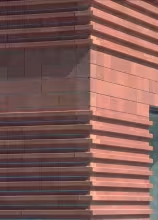
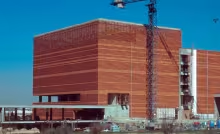
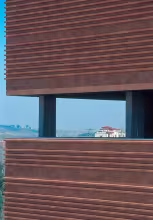
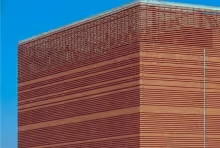
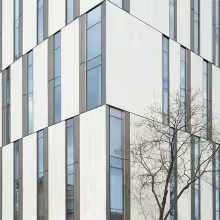
Unlike stone, pressed ceramic tiles or any kind of artificial panels of board type, extruded terracotta elements can easily be three-dimensional, due to the manufacturing process. Unfortunately architects do not always take advantage of this possibility, even though terracotta is a common material in façade claddings.  Here is a good example of its 3D possibilities!

And observe these difficult corners where three-dimensional elements can show their hollowness! A good challenge!
ETICS and light hanged claddings: just beginning (094)

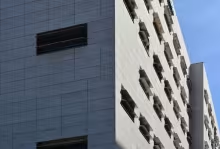
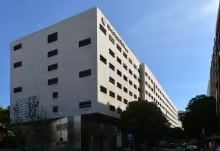
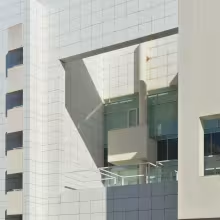
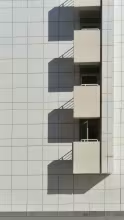
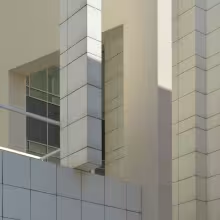
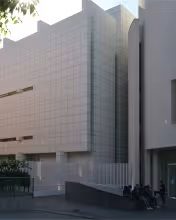
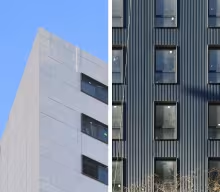
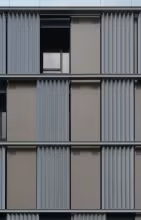
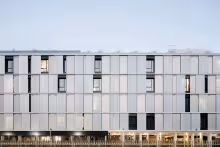
ETICS solutions, which are now so common due to the thermal insulation continuity they allow, were already used twenty-five years ago in designs such as the MACBA building. At that time, achieving continuous rendering without joints was not that simple, as the rendering materials were not as good as the ones we use today.

Lightweight solutions for the rainscreen outer layer were barely known. Probably because the architects did not trust this solution, the inner wall was completely covered with a watertight membrane.

Drained vs cladding; always somehow ventilated (069)

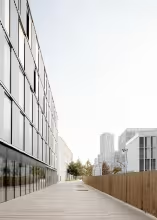
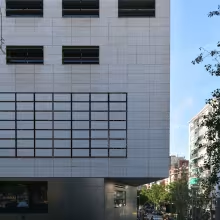
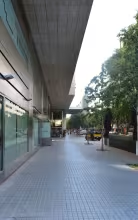
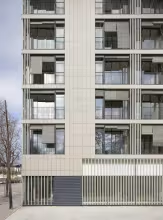
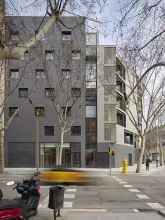
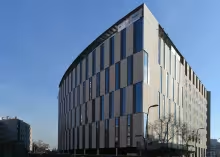
This building, and its façade, could easily go unnoticed. It is appropriate, but not boastful.

However, we wanted to draw attention to a very specific, educational aspect. Even though the two façade systems that are used are formed by two sheets with a cavity in the middle, their behaviour is very different. 
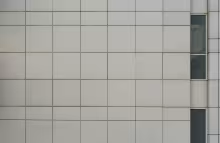
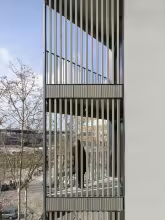
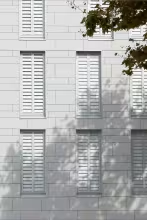
The outer layer made of flat plates with open vertical joints allows air and water to enter and exit the cavity through the joints. This is a ventilated and drained façade. 

A checkerboard pattern passing over the slabs (064)

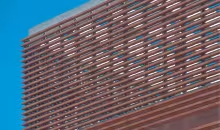
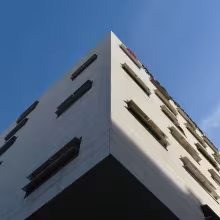
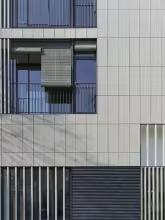
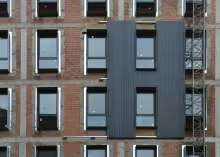
This is an excellent proposal for solving façade composition with a rectangular format checkerboard pattern (the blind and hollowed areas only touch at the apex), avoiding the presence of the slab.

Those who have faced this situation will know how difficult it is to unite at a vertex two openings on different floors, separated by a slab, without showing the thickness of this structural element.

Subscribe to Brick wall